Dry kibble and free-flowing pieces
Record piece size, fines, surface condition and target weight. Trial feeding and dosing with representative batches, checking product breakage and the condition of the pack-sealing area.
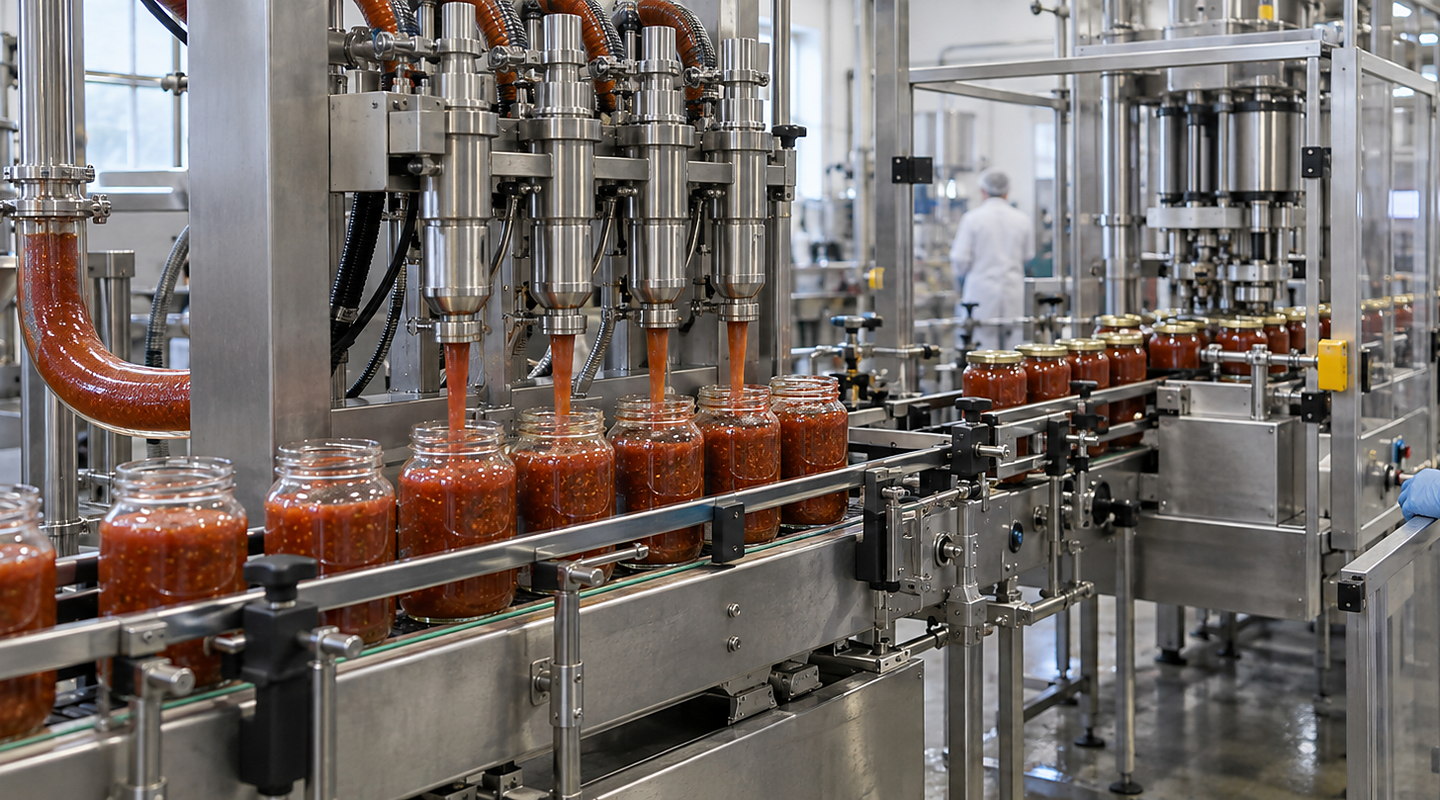
Start with the dry or wet pet-food product and the packaging range your operation needs. Share product behaviour, target pack requirements and production pattern, then review cleaning, changes between formats and finished-pack acceptance checks.
Speak directly with Lancing about dry and wet pet-food packaging.
Specify whether the product is dry, wet or a mixed format, with representative samples and target pack weights. Provide the bag, pouch, tray or container specification. Compare dosing and closing trials, including product damage, seal-area cleanliness and changeover, with finished-pack checks agreed for the intended product.
Compare dry, fragile and wet pet-food packing Use different trial questions for kibble, treats and wet products rather than one generic speed target.
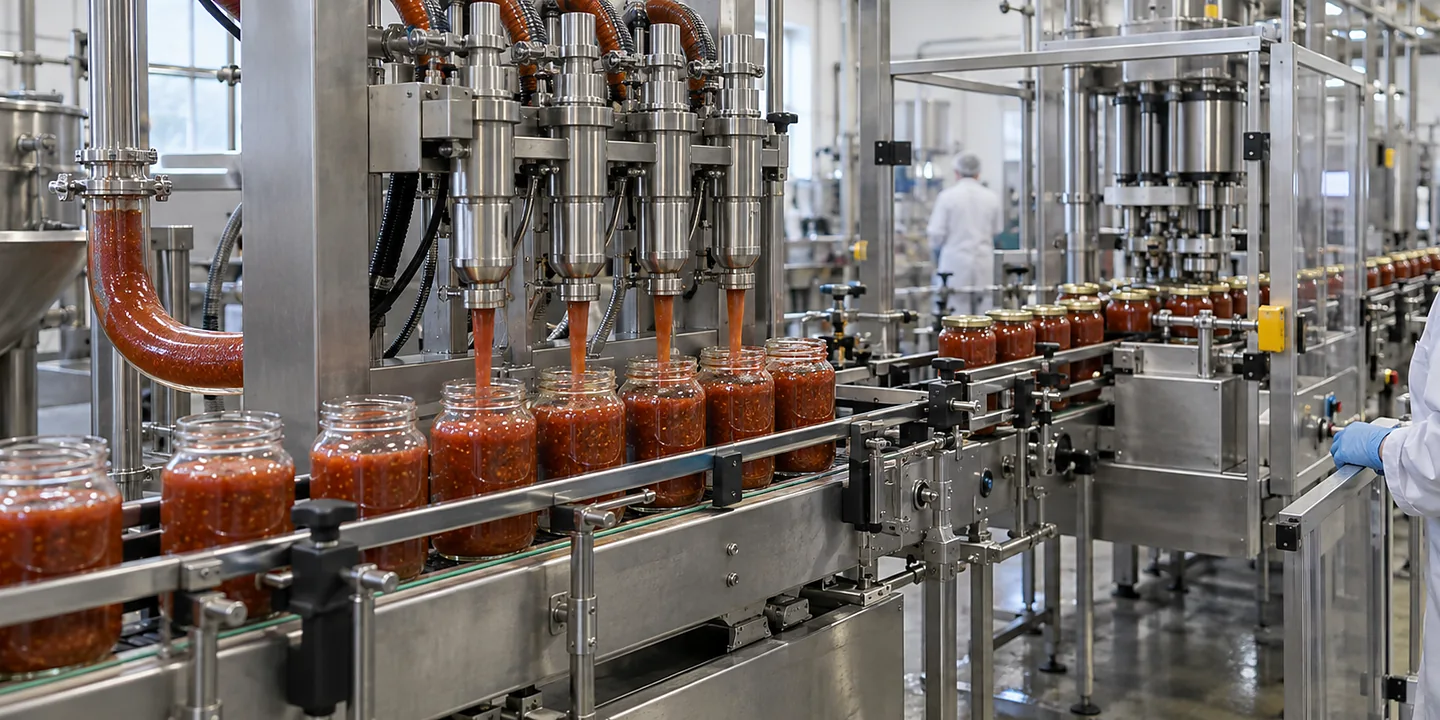
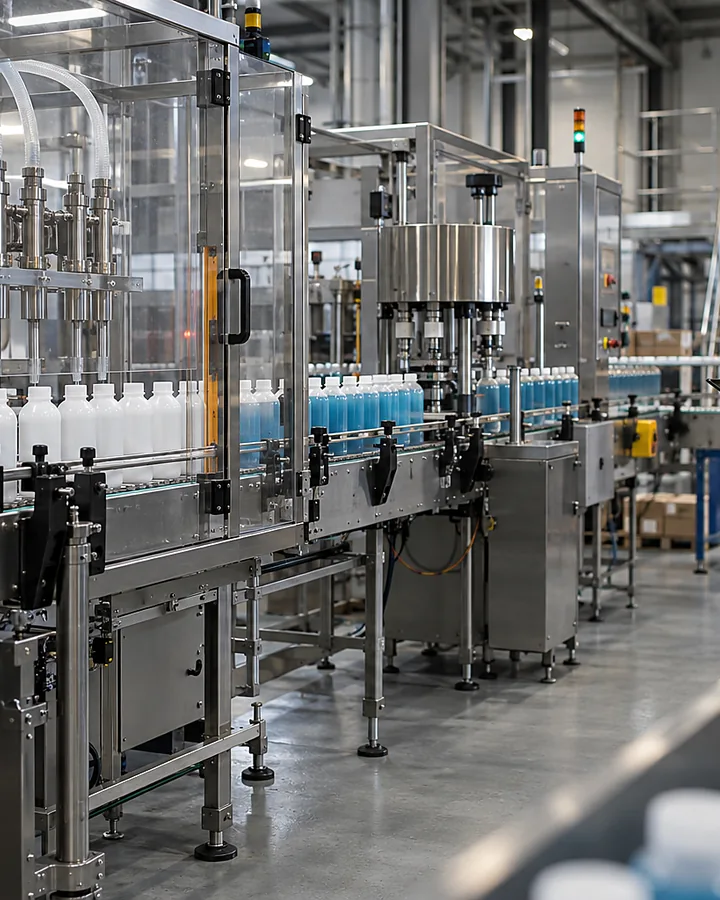

Choose the dosing and packaging route from the real product condition and finished pack. A machine category alone does not show whether it will handle the range.
Record piece size, fines, surface condition and target weight. Trial feeding and dosing with representative batches, checking product breakage and the condition of the pack-sealing area.
Describe the liquid or paste and its solid components at the intended filling condition. Assess transfer, distribution of pieces, nozzle cut-off and the closing area as one sequence.
Identify what damage or orientation is unacceptable. Compare a gentle presentation route with bulk dosing where needed, and inspect the product after the complete filling process.
Provide actual samples and drawings, including the opening, closure features and required headspace. Pack handling and closing must be assessed alongside the filler.
List the production sequence and contact-part cleaning requirements defined by the site. Include removal of residues and line clearance between products in the planned operating time.
Agree the fill check, seal or closure checks, coding and failed-pack handling. Packaging machinery selection does not establish shelf life or replace the responsible team’s product-process validation.
The right choice changes with dry & wet pet-food packaging product behaviour, container, bag or pack range, your line layout and required results.
Trial the most fragile dry item, the most difficult wet product or the smallest pack opening where these exist in the planned range. Explain why each sample represents a production risk.
Count finished packs that meet the agreed criteria. Record refills, blocked feeds, cleaning, format changes and rejected packaging so the trial reflects the intended operating pattern.
Send product samples, pack formats, fill range, production order, output requirement and line layout. Identify whether the project is a new line or must connect to existing coding, inspection or discharge equipment.
Use the pet food packing machines specification checklist to prepare the application, then agree the acceptance checks and production records before comparing proposals.
Your final solution for dry and wet pet-food packaging must reflect the law, current standards and site-specific risks that apply to your installation.