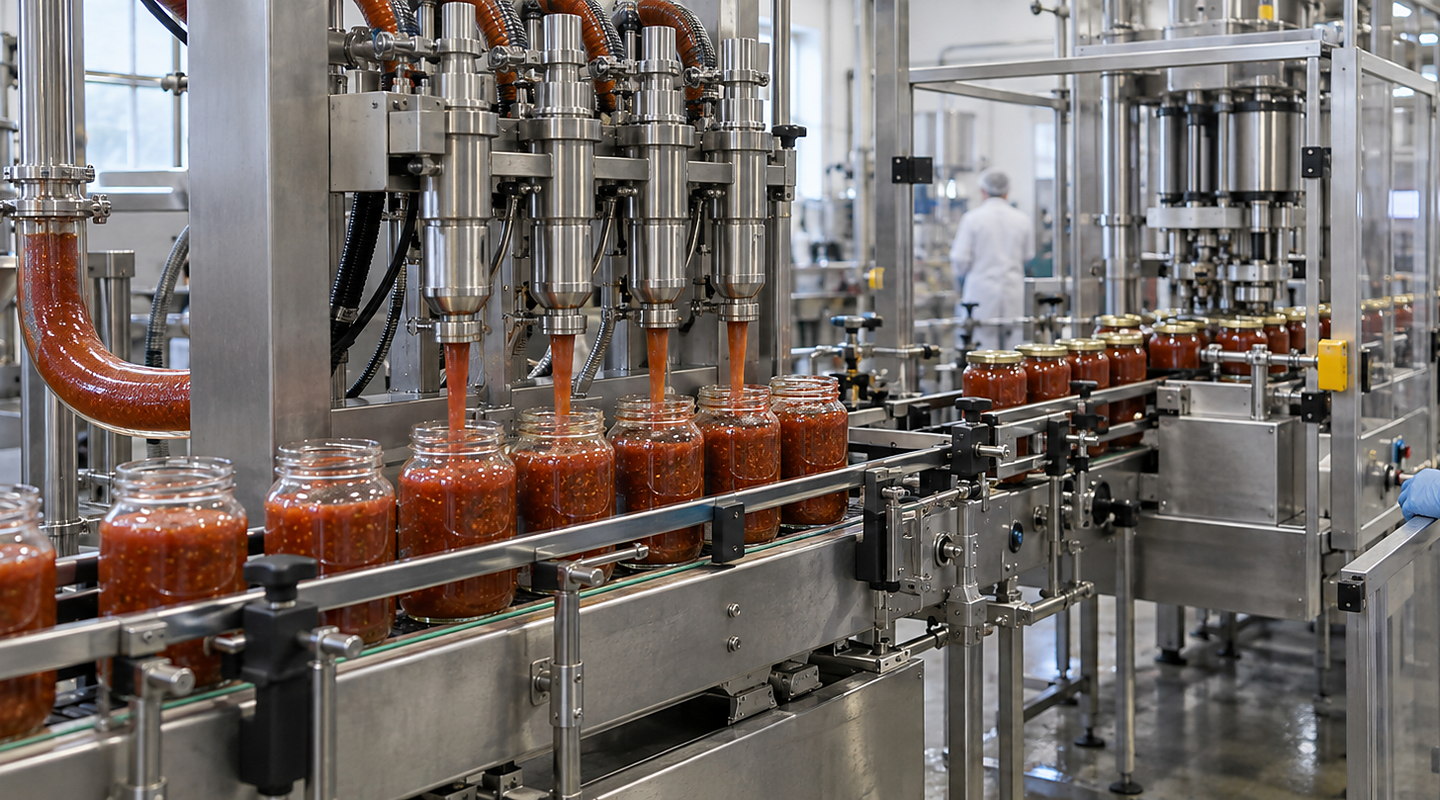
Pet Food Packing Machines Acceptance-test checklist
What evidence should be agreed before acceptance testing for pet food packing machines?
In brief
Agree the products, pack formats, operating conditions and finished-pack checks before the trial. For each combination, record dose, count or weight results, closing checks and how failed packs will be identified and handled. Agree acceptable ranges and the evidence needed for acceptance.
Use representative dry kibble, treats or wet products from the intended range. Record the product condition, actual pack specification, intended fill and production pattern, and state which difficult cases the trial will cover. Keep untested products and formats explicit.
On the production floor
Turn your production information into clearer decisions — Pet Food Packing Machines
Plan pet food packing machines around your product, pack range, target output, cleaning needs and finished-pack checks. Discuss a practical line concept with Lancing using representative samples. Use this guide to resolve finished-pack checks and reject handling before it limits the final system.
Finished-Pack Checks and Reject Handling: condition, range and effect on your process
Current condition
Record the product batch and condition, pack material and format, intended fill, machine settings and agreed starting state. Note how quantity, product condition and the closing area will be inspected, including any limits of the checking method.
Realistic range
Include the normal product and pack range plus the difficult combinations that matter to the project, such as fragile pieces, wet products with solids or a small pack opening. Agree repetitions and trial duration with the team reviewing the result; do not substitute a smooth-liquid demonstration for a different product.
Effect on the system
Record when fills, product condition or closures fall outside the agreed criteria, what intervention is needed and how affected packs are handled. Review recovery and repeat the relevant checks before resuming the trial. Keep product-process and shelf-life validation separate from the machine trial.
Before you contact us
Five questions about finished-pack checks and reject handling for your application
Who can confirm this information?Identify the person responsible for finished-pack checks and reject handling in production, quality, engineering or operations.
How representative is the sample?Include age, supplier, batch, environment and upstream process state where they affect pet food packing machines.
What is the difficult condition?Include the slow, reflective, flexible, dirty, damaged, marginal or uncommon case that your system must still handle.
How will you judge the result?Agree the method, repetitions, acceptable range, result record and the response if the observed result falls outside the agreed range.
What else must be coordinated?Your final pet food packing machines scope must also account for cleaning, access and changeover method, finished-pack checks and reject handling, current regulations and the conditions at your site.
Connected details
Review finished-pack checks and reject handling as part of the complete system
Question 1
Dry & Wet Pet-Food Packaging Product Behaviour
Identify the actual product and packing condition. For dry kibble or treats, inspect breakage and fines after transfer; for wet products, observe product passage, distribution of pieces and dosing cut-off where relevant. Keep these observations separate from the quantity result.
Question 2
Container, Bag or Pack Range
Use the intended bags, pouches, trays or containers, including their openings, closure features and required headspace. Record presentation, support, closing and discharge, and inspect product around the sealing or closure area. Keep untested pack variants outside the accepted scope.
Question 3
Target Dose, Count or Pack Weight
Agree whether the required quantity is a dose, count or pack weight, then record the checking method, samples, acceptable range and individual results. A passing total weight does not by itself prove product condition or the distribution of a mixed product.
Question 4
Required Output and Production Pattern
Count accepted finished packs over the agreed trial period, alongside refills, blocked feeds, interventions and rejected packs. For a short-run job mix, include emptying, cleaning, packaging changes and first-pack release rather than comparing only the fastest uninterrupted run.
Question 5
Cleaning, Access and Changeover Method
Record the production sequence, contact-part cleaning and residue-removal steps defined by the site, together with line clearance and format restoration. Check the first packs after a change and retain the settings and observations used to release the next run.
Question 6
Finished-Pack Checks and Reject Handling
Agree the finished-pack quantity, product-condition, seal or closure and coding checks that apply to the project. Record each failure, the affected-pack response, retest results and who reviews the evidence. List exceptions and untested combinations alongside the acceptance record.