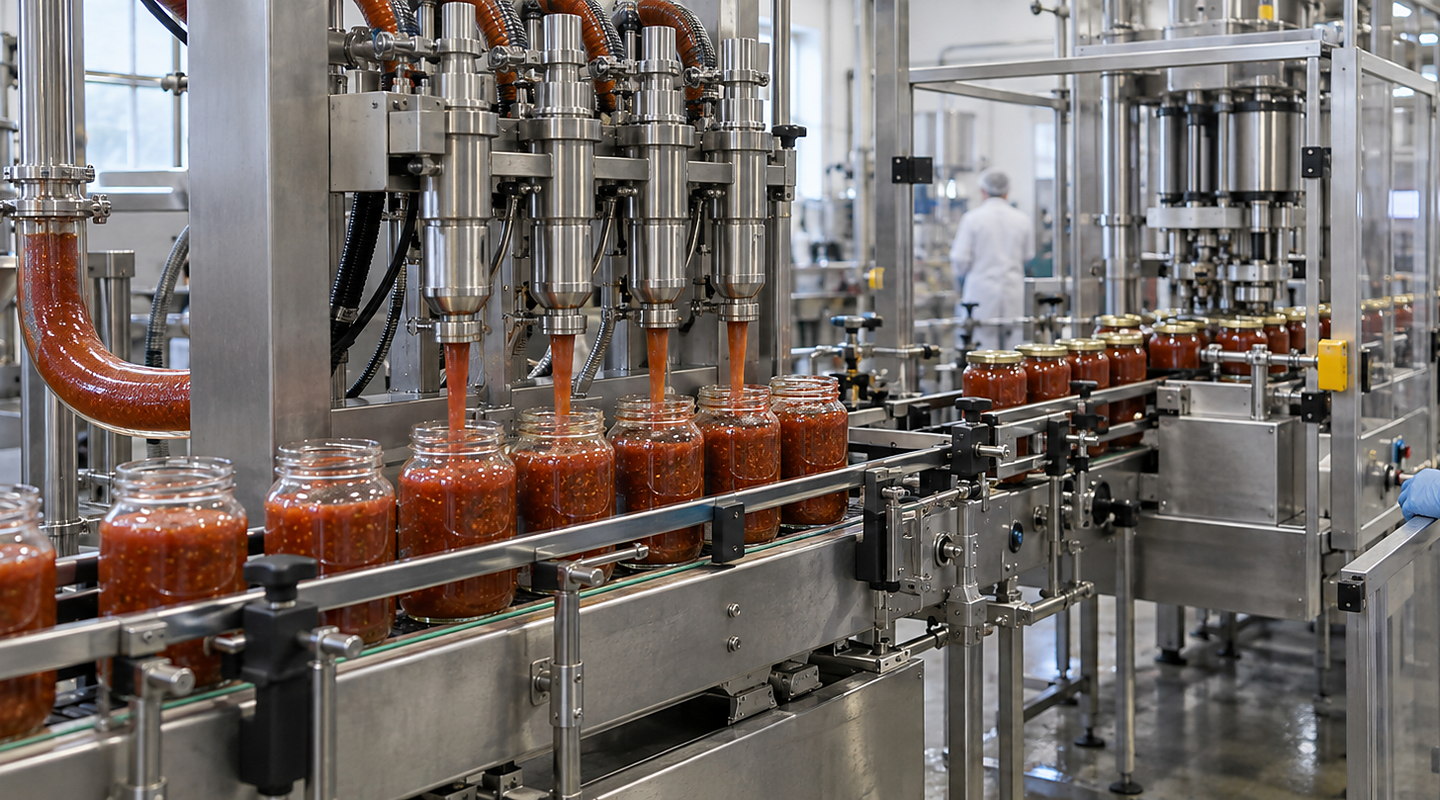
Select pet-food packing equipment by product form
Choose pet food packing machines by comparing the product form, pack format, required output, cleaning and finished-pack checks.
Compare pet-food packing concepts on representative products and packs from your actual range. Assess target weight or fill, product variation, cleaning and changeover together with the completed-pack checks needed for acceptance.
For routine production using dry and wet pet-food packaging, a short trial that reproduces the difficult condition is often more useful than a long list of nominal specifications.
Compare options in the conditions where they must work — Pet Food Packing Machines
Plan pet food packing machines around your product, pack range, target output, cleaning needs and finished-pack checks. Discuss a practical line concept with Lancing using representative samples. A useful shortlist should show how every option copes with dry & wet pet-food packaging product behaviour and cleaning, access and changeover method.
Discuss your application
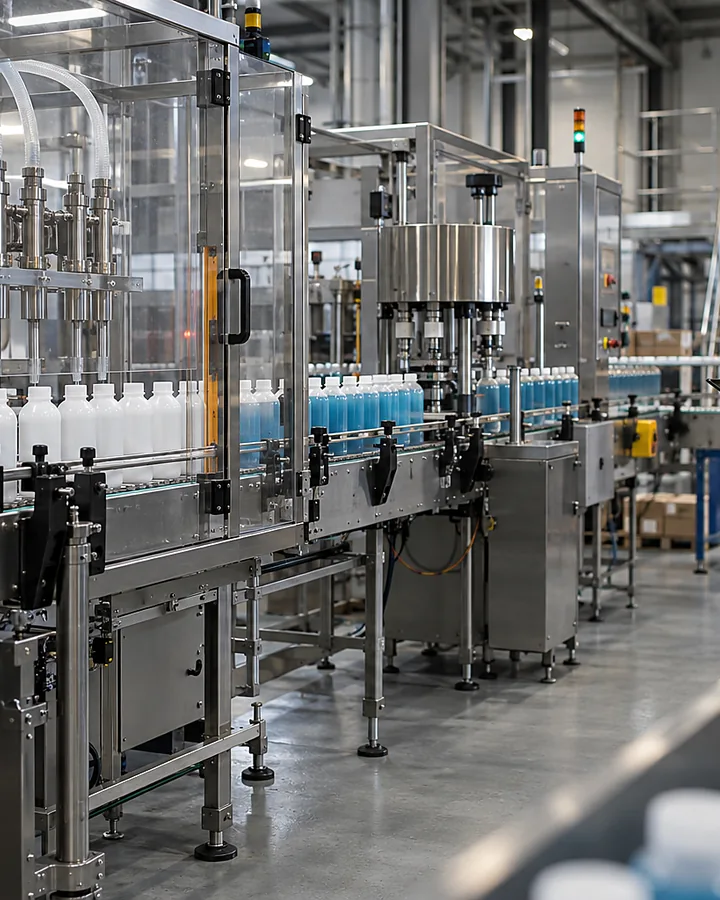
Build separate trials for distinct product families
Dry kibble
Assess feeding, dose consistency and the amount of broken product or fines after transfer into the bag. Observe the fill area and sealing surfaces for loose particles. A weigh result alone does not show whether the kibble's appearance or the completed seal meets the product requirement.
Fragile treats and mixed pieces
Review drop heights, contact points and the mix reaching each pack. A blend can meet total weight while the proportions of its components vary. If composition matters to the specification, define a separate way to assess distribution and do not assume the weighing system proves it.
Wet products and products with pieces
Compare the full product passage, dosing cut-off and the cleanliness of the pouch mouth, tray rim or container closure area. Use the actual product at its intended packing condition. A demonstration on a smooth liquid cannot establish handling of large pieces or a different sauce-to-solid balance.
Bag, pouch or rigid container
Provide the production packaging and intended fill. Assess opening, support, closing and discharge as well as dosing. The largest product piece, smallest opening and least stable finished pack may set different limits on the arrangement.
Choose the production pattern that the trial should represent
For long runs, record accepted output together with replenishment, rejected packs and interruptions. For short runs, include emptying, cleaning, packaging change and first-off acceptance. Compare the complete job mix rather than treating the fastest single recipe as representative.
- Weight passes, product is damaged: review transfer and contact points.
- Weight passes, blend is inconsistent: review distribution and the composition check.
- Seal failures follow dusty or wet fills: inspect the closing area before sealing and assess product control.
- Problems begin after a change: verify the restored product, pack and recipe settings.
Food or feed processing, hygiene controls and shelf-life validation remain product- and site-specific responsibilities. A filling or sealing trial is only one part of that evidence. Use the pet-food packing checklist to keep those responsibilities separate from the machine scope.
Pause before choosing when…
- Only perfect or hand-selected examples of routine production using dry and wet pet-food packaging are available.
- No one has defined how finished-pack checks and reject handling will be evaluated.
- The normal range for dry & wet pet-food packaging product behaviour is described only as “usually fine” but has not been bounded.
- Your operator, cleaning, maintenance or recovery access has not been considered.
- Quoted performance depends on another machine or data source that is not included.