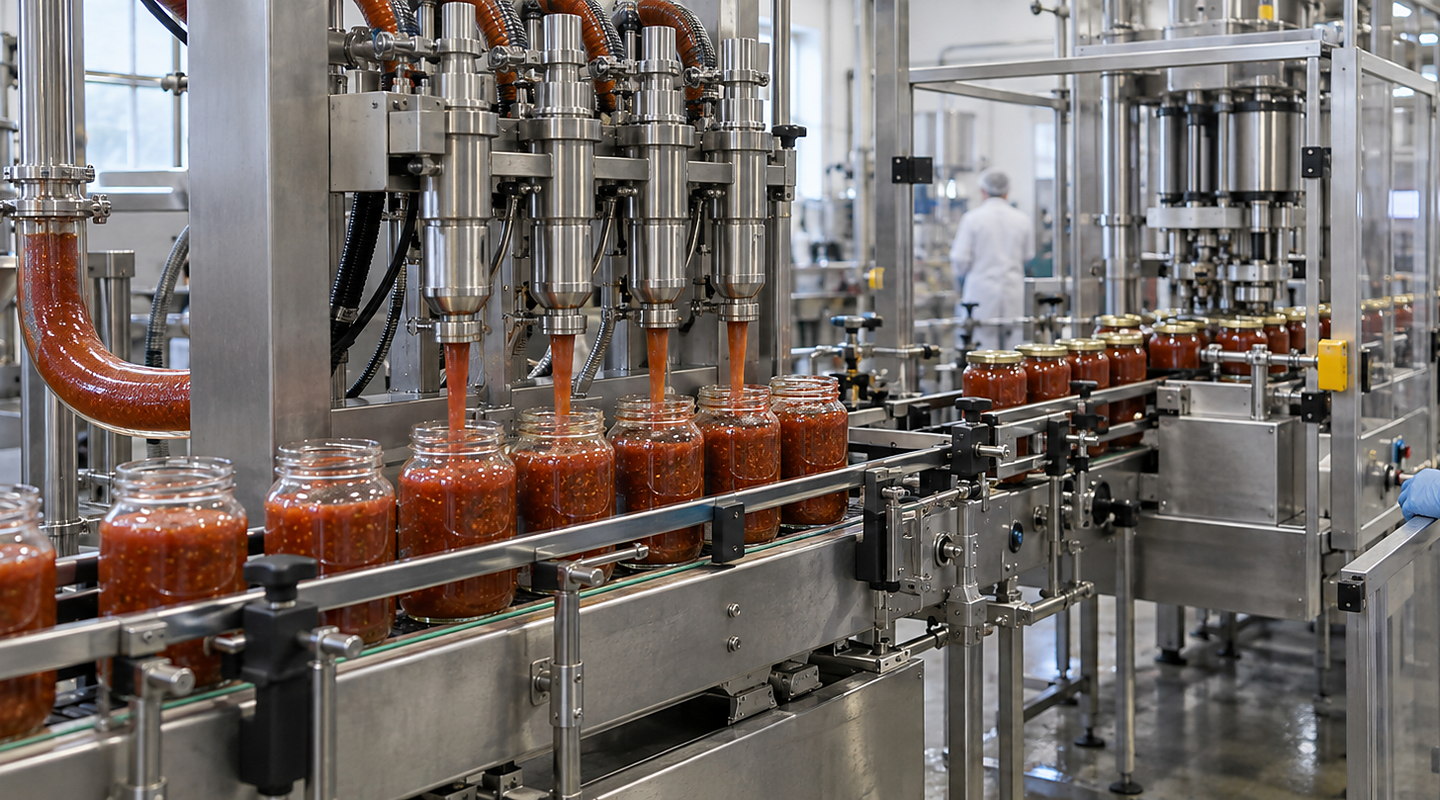
Pet Food Packing Machines: How the Process Works
Follow pet food through supply, pack presentation, dosing, closing, checks and discharge. Record quantity, product condition, exceptions and changeover.
A pet-food packing trial should follow product supply and pack presentation through dosing, closing, coding or inspection where included, and accepted-pack discharge. Assess product damage and the closing area separately from fill quantity.
Bring the identified product and pack samples and agree the acceptance record before comparing results. Record normal production, replenishment, interruptions and the site’s approved changeover sequence; no universal pack rate is assumed.
Understand the complete route from input to accepted output — Pet Food Packing Machines
Plan pet food packing machines around your product, pack range, target output, cleaning needs and finished-pack checks. Discuss a practical line concept with Lancing using representative samples. Follow the product and pack through each operating step and include replenishment, interruptions, recovery, cleaning and format change in the real cycle.
Discuss your application

Four clear stages for pet food packing machines
At each stage, you can review how dry & wet pet-food packaging product behaviour and finished-pack checks and reject handling affect the next commitment.
- 01
Review Representative Product and Pack Samples
Share representative product and pack samples, including the normal range for dry & wet pet-food packaging product behaviour and the difficult container, bag or pack range cases.
- 02
Trial the Dosing, Handling or Closing Method
Compare suitable methods and use focused trials to show how each option performs against target dose, count or pack weight.
- 03
Integrate Infeed, Discharge, Controls and Access
Connect the equipment to your line, services and controls while resolving required output and production pattern for day-to-day operation.
- 04
Run Agreed Production and Changeover Checks
Confirm cleaning, access and changeover method, then complete and record finished-pack checks and reject handling before your operating team takes over.
Decisions and results stay connected
| Stage | What happens | What you can review |
|---|---|---|
| Identify the product and pack duty | Record dry, fragile or wet product condition, sample and batch references, target fill, packaging material and the intended production pattern. State separate product-condition and finished-pack requirements. | Identified samples, pack drawings/material references, filling conditions and agreed checking methods. |
| Trial product transfer and dosing | Observe the full product path with representative batches. Check fill quantity together with breakage or fines, component distribution where relevant, wet-product piece handling and the pack closing area. | Setup, product range, individual quantity results and separate product/closing-area observations. |
| Close, check and handle exceptions | Assess the selected sealing or closure route with the production packaging. Agree coding or inspection where included, result-to-pack association and responsibility for unacceptable or unconfirmed packs. | Pack and closure references, completed-pack results, exception responses and responsible owners. |
| Record the production and changeover sequence | Run the agreed job pattern with replenishment, interruptions and the approved emptying, cleaning or format-change sequence. Count accepted packs and retain first-pack release for the next run. | Observed run conditions, accepted and held/rejected quantities, interventions, changeover records and unresolved limits. |
Keep connected responsibilities clear
Your final pet food packing machines scope must also account for cleaning, access and changeover method, finished-pack checks and reject handling, current regulations and the conditions at your site.
- Food-contact, hygiene and allergen controls must be validated for the actual product and site.
- The selected method must be trialled with representative product and packaging.
- Supplier tolerances and product-condition changes can alter handling or fill behaviour.